BLOG POST 3: Inclusive Learning Design
Diversity in learning design is important to ensure student success. Different people have different learning styles, and learn better using different learning techniques and activities. Hence, it is important to include a variety of resources and activities suited to different learning needs, especially as diverse and flexible learning environments have been proven to be better for all students, regardless of if they actually require those accommodations or not (Meyer et Al, 2014).
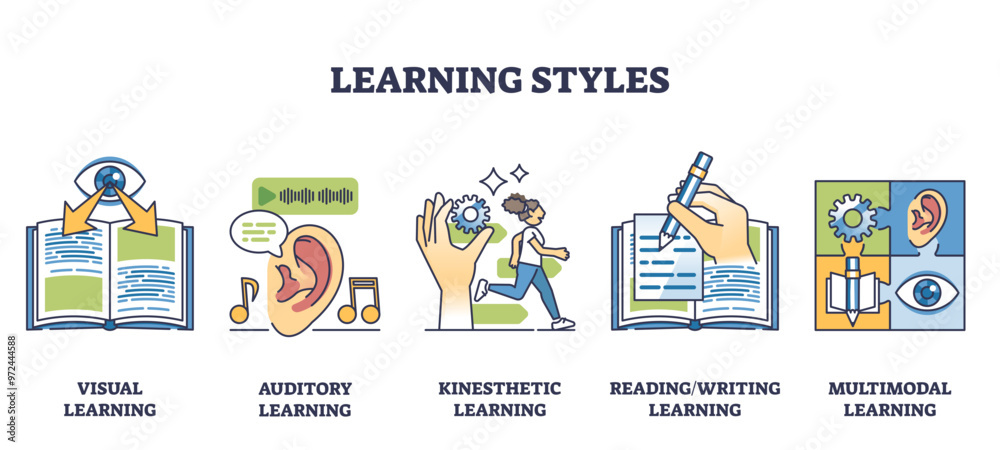
In an effort to cater to as many learning styles as possible, we have chosen learning activities that can be adjusted or altered to suit a variety of different needs:
- Reflection
- Research
- Discussion
- Educational entertainment videos
- Reading comprehension quizzes
The variety in activities allows learners engage with content while staying invested and maintaining their interest, offers different types of media that accommodates varying styles of representation, and allows learners to demonstrate their understanding through different means.
While it is difficult to have a “perfect” learning design that addresses all barriers, we can try to minimize them by maximizing accessibility. The main barrier to student success associated with our blueprint is accessibility, especially since it is an online module. Issues corresponding to this barrier related to our activities are:
- Inability of students to stay engaged and interested
- Lack of self regulation and time management
- Inadequate support and/or feedback
To account for these difficulties, we can implement the following measures:
- Give students choices and variety in which resources they use for learning (readings, podcasts, videos, and other media) to cater to students who learn through different means.
- Include a variety of fun and entertaining activities to keep students interested.
- Create a recommended schedule with flexible deadlines so students have a good understanding of how to manage time.
- Offer times where students can reach out to instructor for help or guidance.
- Include a discussion forum where students can consult one another, ask questions, and discuss ideas to support comprehension.
Overall, we can ensure an inclusive learning design by understanding that learners require different support systems and learning tools to find success in learning. By having variety in learning tools and resources, we can improve the quality of learning processes and create a learning environment where all students can have an opportunity to learn successfully.
References:
Meyer, A., Rose, D. H., & Gordon, D. (2014). Universal Design for Learning: Theory and Practice. Cast Professional Publishing.
Mansur, H., Utama, A. H., Mohd Yasin, M. H., Sari, N. P., Jamaludin, K. A., & Pinandhita, F. (2023). Development of Inclusive Education Learning Design in the Era of Society 5.0. Social Sciences (Basel), 12(1), 35. https://doi.org/10.3390/socsci12010035